Raccoon Removal Tyler TX
Raccoons in your attic or chimney? We trap, remove, and seal entry points so they can't come back. Free inspection, same-day response.
Raccoons are the single most common attic wildlife call in Tyler. A mother raccoon looking for a den site will tear through soffit vents, roof edges, and fascia boards to get into a warm, dry attic space — and once inside, she'll stay until the entry point is sealed and she has nowhere else to go.
Signs of a raccoon in your attic include heavy thumping or rolling sounds at night, visible entry damage at the roofline, and a strong ammonia-like odor from droppings. We see this most often in South Tyler and Hollytree, and along tree-lined stretches near Troup Highway and South Broadway, where mature trees provide easy roof access.
Our Raccoon Removal Process
Inspection & Entry Point Mapping
We inspect the full roofline, attic, and chimney to find every active and potential entry point — raccoons often use more than one.
Humane Trapping
Live traps are placed at the entry point and inside the attic if needed. If juveniles are present, we locate and reunite the litter before excluding the den site, which prevents animals from becoming trapped inside walls.
Exclusion & Repair
Once the attic is confirmed empty, we seal all entry points with heavy-gauge steel mesh and repair any chewed fascia, soffit, or roof decking.
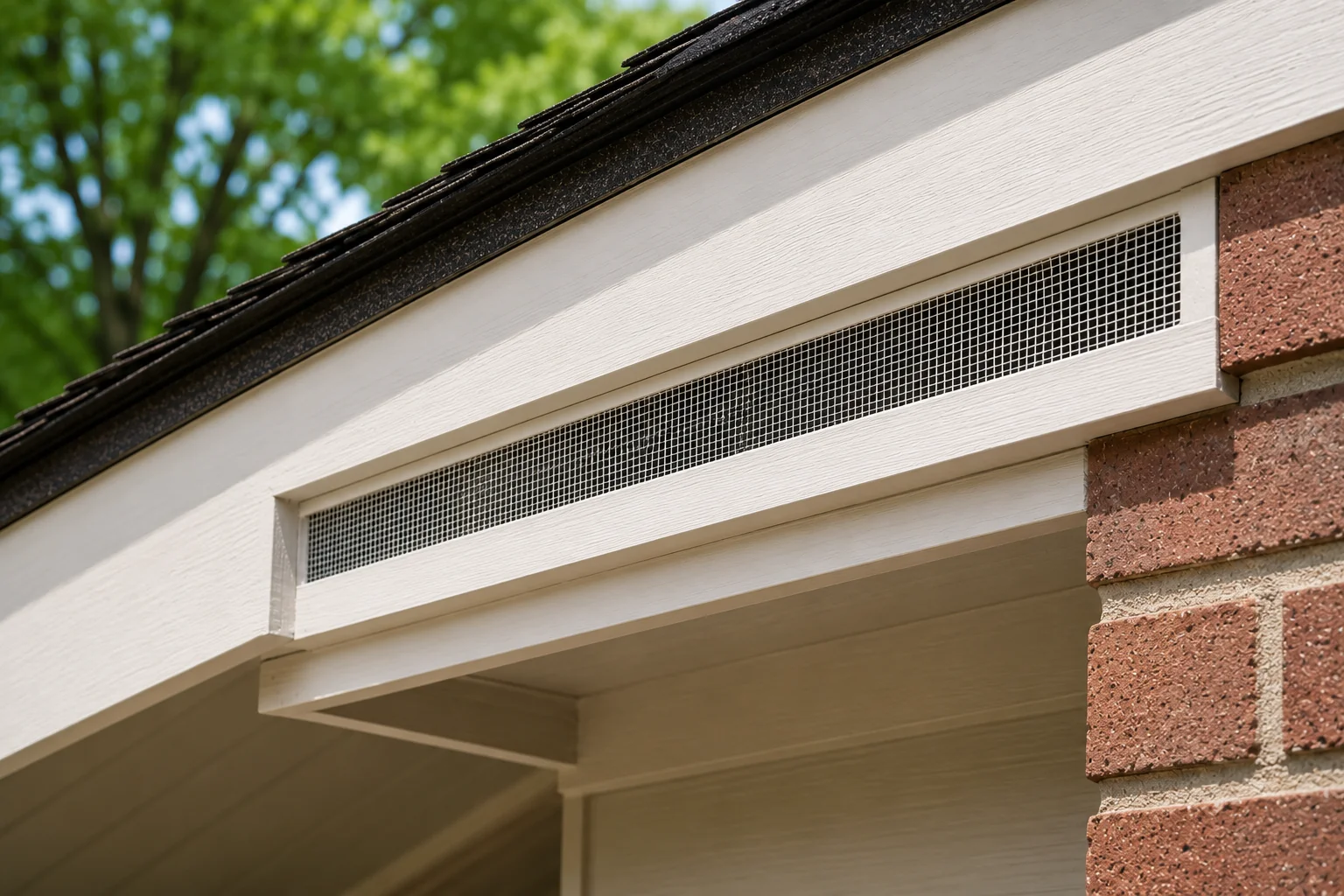
A Recent Job · Near Troup Highway
Raccoon fell through a soffit gap onto a garage shelf — same-day trap, no property damage claim needed.
The situation: A homeowner near Troup Highway heard a heavy thump in the garage and found a raccoon had partially fallen through a rotted soffit corner, landing on a storage shelf rather than the attic floor below.
What we did: Same-day emergency response. The raccoon was safely contained in the garage using a humane catch-pole and transfer carrier rather than a standard attic trap, since it was already in an accessible space. The soffit corner was assessed for further rot and temporarily boarded that visit, with full fascia repair and steel mesh exclusion completed two days later once materials were on hand.
The outcome: No injury to the homeowner or the animal, no drywall or ceiling damage since the raccoon hadn't fully breached the attic floor. Fascia rot was caught early — the point of entry likely would have failed further within weeks regardless of wildlife activity.
Frequently Asked Questions
How do I know if I have a raccoon in my attic?
Heavy footsteps or rolling sounds at night, torn roof vents or fascia, and a strong odor from droppings are the most common signs. Raccoons are nocturnal, so activity is usually loudest between dusk and dawn.
Will you remove baby raccoons too?
Yes. If a litter is present we locate and reunite them with the mother before sealing the den site — separating them without reunification often leaves young raccoons trapped inside the structure.
Can raccoons come back after removal?
Not if entry points are properly sealed. We use steel mesh exclusion rather than temporary patches, which is why we always pair trapping with a full exclusion service.